Is the 70 Series Too Harsh for Daily Driving?
The Toyota Land Cruiser 70 Series has been a stalwart in Australia's outback and work sites since its introduction in 1984. Renowned for its rock-solid reliability, repairability, and rugged design, it’s a vehicle often praised in remote communities and by travellers who need a no-nonsense rig. But the question that often crops up is: Is the 70 Series too harsh for daily driving? Can this legendary work ute handle the school run, daily commutes, and urban life, or is it better reserved for long dirt tracks, touring, and pure live axle 4wd utility?
Let’s unpack what makes the 70 Series tick and discuss the ride comfort, mechanical simplicity, and durability that underpin its place as a go-to vehicle across Australia — from the dustiest cattle stations to the asphalt of town.
A Legacy of Longevity Since 1984
The 70 Series has been in production for over 40 years, a testament to Toyota’s dedication to a no-frills design built for work and remote reliability. While Toyota’s dealership network in Australia can service and support these vehicles, their most ardent fans often seek specialised parts through aftermarket ecosystems like the 70 Series Store (70seriesstore.com), which caters specifically to owners who need parts that aren't always readily available in city dealerships.
This longevity isn’t by accident. The chassis is built on a rugged ladder-frame platform coupled with live axles front and rear — a design deliberately chosen for durability and simple, effective maintenance in the harshest conditions. Unlike many modern SUVs that prioritise comfort with complex independent suspensions and electronics, the 70 Series sticks to tried and tested mechanical simplicity. This means fewer parts to fail and easier roadside repairs, crucial when you’re days between towns.
What Breaks First and How to Fix It
With 14 years in the field running 70 Series rigs across WA and NT mine sites and cattle stations, I can say the usual wear points include leaf spring shackles and bushings, tie rod ends, and occasionally shock absorbers. These components wear out due to hard use over rough terrain rather than poor design, and they’re typically straightforward and cheap to replace. The beauty is the ease of maintenance, which avoids costly downtime.
70 Series Ride Comfort: Hard Work or Livable Daily?
Let’s address the main gripe for many considering a 70 Series for daily driving — ride comfort. The ladder-frame chassis combined with leaf-sprung live axles results in a ride that’s undeniably firm and, some would say, harsh compared to modern passenger vehicles or independent suspension setups.
- Why is it harsh? Leaf springs are inherently stiff, designed to carry heavy payloads and withstand serious punishment on unmade roads. The ride transmits bumps and jolts directly into the cabin more so than coil springs or air suspensions.
- How harsh is it? On sealed roads and short commutes, many owners find it acceptable once you get used to it — though not what you'd call plush. If you’re doing longer stretches or back-to-back days on rough gravel or corrugated dirt highways, the firmness works in your favour by keeping the chassis stable and durable.
- Modifications and upgrades: Consider adjustable shocks or upgraded leaf springs from aftermarket specialists like the 70 Series Store to tune the ride slightly for daily use without compromising ruggedness.
Comparing Touring vs School Run Comfort
There’s a marked difference between using the 70 Series for touring remote roads or a daily school run in town:
Use Case Comfort Experience Suitability Tips Outback Touring & Work Solid, stable on rough terrain, manageable fatigue with proper seating Fit aftermarket seats; invest in suspension upgrades for sandy/gravel roads Daily School Run & City Driving Firm ride on sealed roads, more noticeable bumps, less refined handling Expect less comfort than modern SUVs; consider tyre choice for smoother rideWork Ute Daily Use: Practicality Meets Durability
The 70 Series shines as a work ute. It’s built to carry heavy loads and endure the kind of strain that would put many modern "tourer" SUVs to shame over time. Its mechanical simplicity means you can fix it on the fly — vital for those who live well beyond the nearest Toyota dealership.
This workhorse reputation also comes from its outstanding payload capacity and towing ability. Unlike many 4WDs marketed today primarily as touring or lifestyle vehicles, the 70 Series accepts that you'll sling gear on it, rough it hard, and expect it to run reliably for decades.
Does this practical focus impact daily driveability?
Yes, but it depends on your tolerance for that utilitarian feel. You won’t get the outright smoothness or noise insulation of a newer cruiser, but you do get peace of mind knowing the brakes, suspension, and drivetrain are built tough, accessible for maintenance, and proven across Australia's worst tracks.
Repairability and Mechanical Simplicity
One of the 70 Series’ biggest selling points is its repairability. Unlike many modern vehicles laden with electronics and complicated drivetrain components, the 70 Series keeps it simple:
- Engine and Drivetrain: Mostly rugged inline six-cylinder diesel engines paired with manual or straightforward automatics, making repairs less of a headache.
- Live axles and ladder frame: Easy access to suspension components and less to go wrong compared with independent setups.
- Parts availability: Toyota dealerships cover most general maintenance, but for hard-to-find parts or specialist upgrades, the aftermarket ecosystem — especially 70seriesstore.com — provides tailored solutions ensuring your rig stays on the road.
This simplicity is no coincidence; it’s designed for owners who might be in the middle of the desert with limited tools and zero mobile coverage. I’ve personally had to swap leaf springs and replace tie rod ends on the fly, thanks to straightforward designs and widely available parts.
Remote Australia Reliability: Why It Still Matters
When you’re hundreds of kilometres from the nearest town or fuel stop, it’s not just about ride comfort but survival. The 70 Series was built with that remote Australian mindset:
- Durability: Ladder frame and live axles stand up to prolonged heavy use over corrugations, rocky tracks, and river crossings.
- Mechanical simplicity: Low-tech systems reduce risk of electronic gremlins that often plague modern vehicles.
- Repairability: Ability for quick roadside fixes and wide aftermarket support ensures minimal downtime.
- Fuel and load capacity: Can carry essential gear without compromising performance.
For remote-area workers, drovers, and travellers, this combination trumps modern luxuries, making the 70 Series an icon in its own right.
Conclusion: Is the 70 Series Too Harsh for Daily Driving?
The short answer: it depends on your priorities.
If you want a plush, cushy ride for daily city drives, school runs, and weekend groceries, the 70 Series might feel too harsh and utilitarian compared to the comfort-focused SUVs flooding the market. Its leaf-sprung live axles remote travel australia 4wd and traditional ladder-frame chassis prioritize durability and payload over quietness and smoothness.
However, if you value a vehicle that offers unmatched longevity, easy repairability, and the ability to take you reliably from town to remote dirt tracks (and back again), it’s a top contender. Thanks to dealer support and an expanding aftermarket ecosystem like the 70 Series Store, owners have access to parts and specialist upgrades that can slightly soften the ride without sacrificing purpose.
In short: The 70 Series is a work ute first and foremost. It’s rugged enough for outback touring or daily use on rough roads, and with some tweaks, manageable enough for urban life. But if ride comfort is your number one priority, be prepared for a firm ride — and appreciate that this rig trades plushness for hardcore reliability.
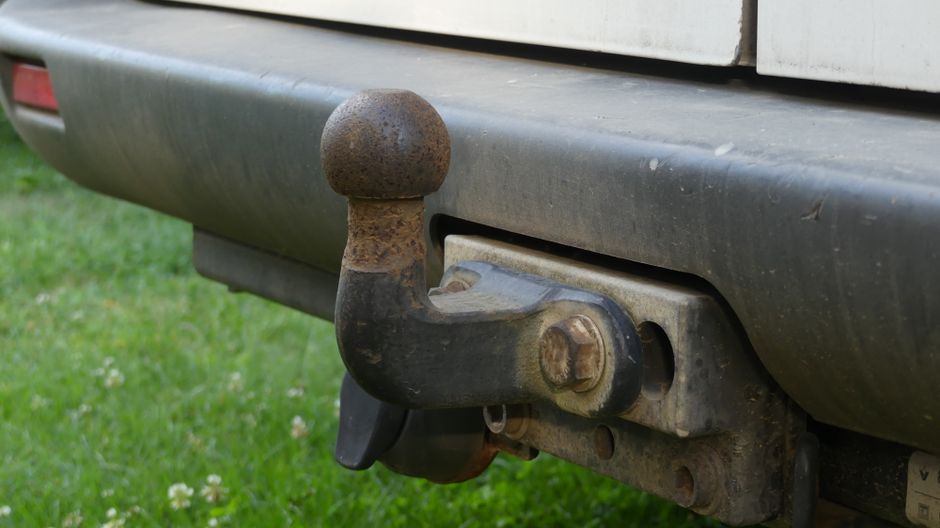
For those who understand and appreciate its ethos, the 70 Series remains a legend of Australian travel and utility — a true road warrior that continues to hold its ground nearly four decades on.

Author’s note: This post is proudly brought to you in collaboration with the Australian Travel & Tourism Network Pty Limited, supporting Aussie adventurers with honest, experienced advice on travel, touring, and vehicle selection.